You’ve scheduled a roof inspection, but what exactly will the inspector look at? If you’re like most South Florida homeowners, you might be wondering whether you’re getting a thorough evaluation or just a quick glance followed by a high-pressure sales pitch. After seven decades working with Florida roofs, we’ve seen the industry change—but unfortunately, not all contractors approach inspections with the same thoroughness and honesty.
A legitimate professional roof inspection Florida homeowners can trust should take at least 45 minutes to an hour for a typical residential property. Anything less, and corners are being cut. Let’s walk through exactly what should happen during a comprehensive inspection, so you know what to expect and can hold your contractor accountable.
Why Florida Roof Inspections Differ from Other States

Before diving into the checklist, it’s important to understand that a roof inspection checklist South Florida contractors use looks different from what you’d see in Georgia or North Carolina. Our roofs face unique challenges that require specialized knowledge:
- Hurricane-force winds that test every fastener and seal
- Relentless UV exposure that degrades materials faster than anywhere else in the country
- Salt air in coastal areas like Pompano Beach that accelerates corrosion
- Extreme heat cycles causing expansion and contraction
- Heavy rainfall that finds every vulnerable spot
- High humidity promoting algae, mildew, and biological growth
An honest roofing company will evaluate your roof through this Florida-specific lens, not use a generic approach that might work in other climates but misses critical local concerns.
The Pre-Inspection Conversation
Before anyone climbs a ladder, a trustworthy Florida roofing contractor inspection starts with questions. The inspector should ask about:
- When your roof was installed and what materials were used
- Any previous repairs or modifications
- Specific concerns you’ve noticed (leaks, missing shingles, stains)
- When you last had the roof inspected or maintained
- Your plans for the property (selling soon, long-term residence, rental)
This conversation isn’t small talk—it provides context that shapes the inspection. If you’re planning to stay in your home for another decade, the recommendations should differ from advice given to someone selling next year. This is where family-owned companies show their value: we’re not just checking boxes, we’re understanding your specific situation.
Interior Inspection: Starting from Inside
Many homeowners don’t realize that what to expect roof inspection includes an interior component. A thorough inspector will examine your attic or crawl space first, looking for:
Ventilation Assessment
Proper attic ventilation is absolutely critical in Florida’s heat. The inspector should evaluate whether you have adequate intake and exhaust ventilation. Poor ventilation can shorten your roof’s lifespan by years, causing premature shingle deterioration and increasing cooling costs.
Signs of Water Intrusion
Water stains, rot, or mold in the attic often appear before you see ceiling damage in living spaces. The inspector should trace any moisture issues to identify the source—sometimes it’s a roof leak, but it could also be condensation from inadequate ventilation or HVAC issues.
Structural Components
The decking, rafters, and trusses should be examined for sagging, rot, or damage. In Broward County, where we’ve weathered countless storms, checking for structural integrity isn’t optional—it’s essential for safety and hurricane preparedness.
Insulation Condition
While not strictly a roofing issue, insulation affects your roof’s performance. The inspector should note any inadequate or damaged insulation that could lead to condensation problems or energy waste.
Exterior Inspection: The Comprehensive Walk-Around
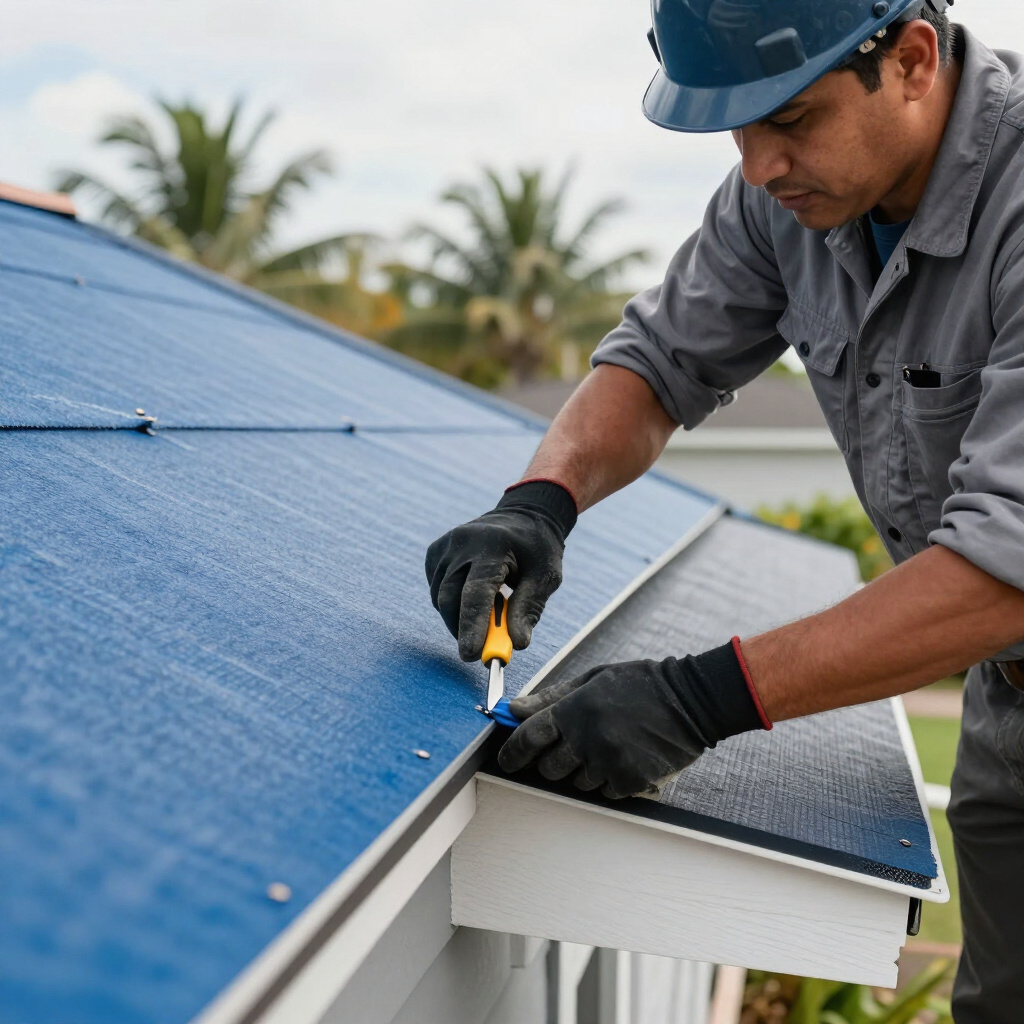
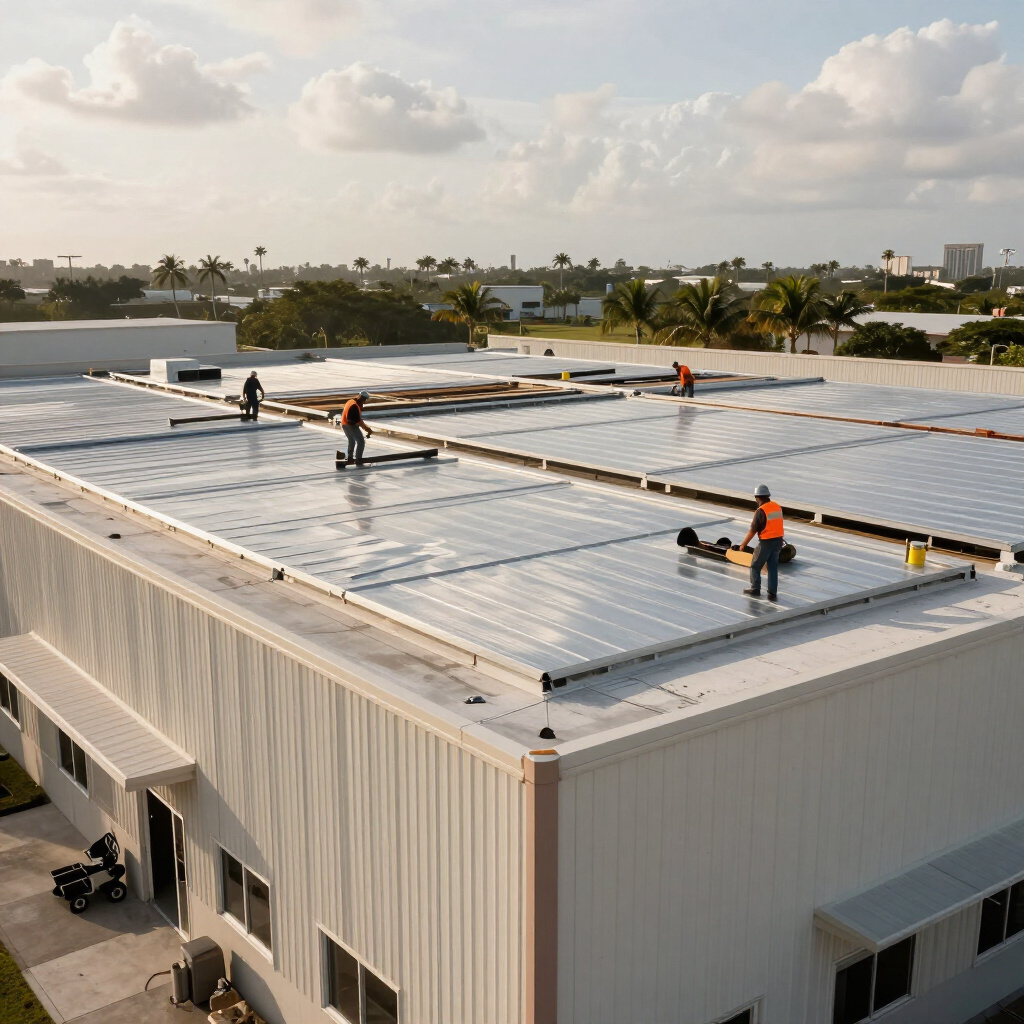
Next comes the detailed exterior examination. A professional roof inspection Pompano Beach residents can trust involves the inspector actually getting on the roof—not just looking from the ground with binoculars, which some less thorough contractors do.
Roofing Material Assessment
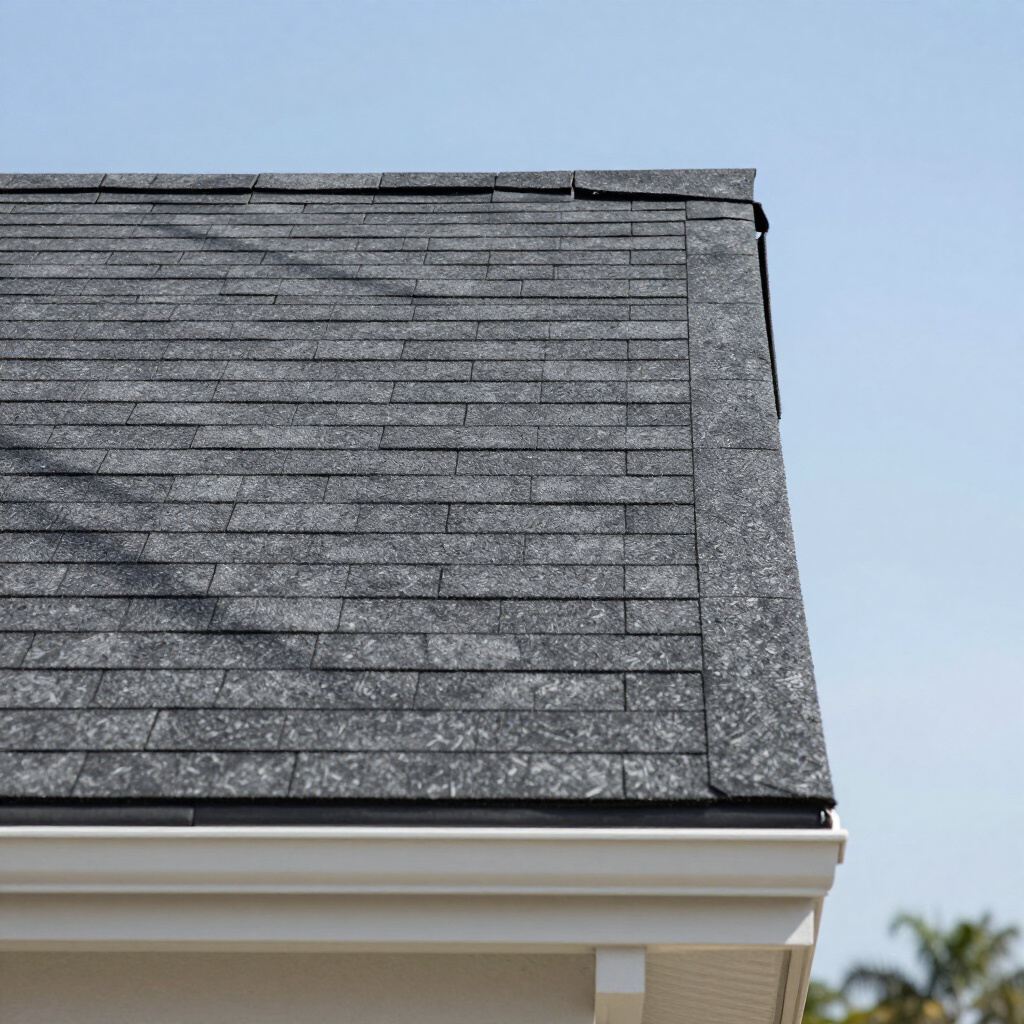
The inspector examines every section of your roof covering, whether it’s asphalt shingles, tile, metal, or flat roofing membrane. They’re looking for:
- Missing, cracked, curled, or damaged shingles or tiles
- Granule loss on asphalt shingles (a sign of aging in Florida’s harsh sun)
- Proper installation and alignment
- Signs of impact damage from debris or hail
- Biological growth that could indicate moisture retention
- Wind damage or blow-offs from recent storms
Flashing and Seals
This is where many Florida roofs fail. Flashing around chimneys, skylights, vents, and valleys must be watertight. The inspector should carefully examine:
- Step flashing along walls and chimneys
- Valley flashing where roof planes meet
- Drip edge along roof perimeters
- Boot seals around vent pipes
- Caulking and sealant condition (which degrades quickly in Florida heat)
Here’s something most homeowners don’t know: in South Florida’s climate, sealants and caulking have a shorter lifespan than the roofing material itself. Preventive roof maintenance that includes resealing vulnerable areas every few years can prevent expensive water damage.
Drainage System Evaluation
Water management is crucial in Florida. The inspector should check:
- Gutters for proper attachment, alignment, and debris
- Downspouts for adequate drainage away from the foundation
- Roof slope and whether water pools anywhere
- Scupper drains on flat roofs
Standing water is a roof’s worst enemy. Even small areas of improper drainage can lead to accelerated deterioration and leaks.
Fastener and Attachment Review
After Hurricane Andrew and subsequent storms, Florida adopted the strictest building codes in the nation. The inspector should verify:
- Proper nailing patterns and fastener placement
- No exposed or raised nails
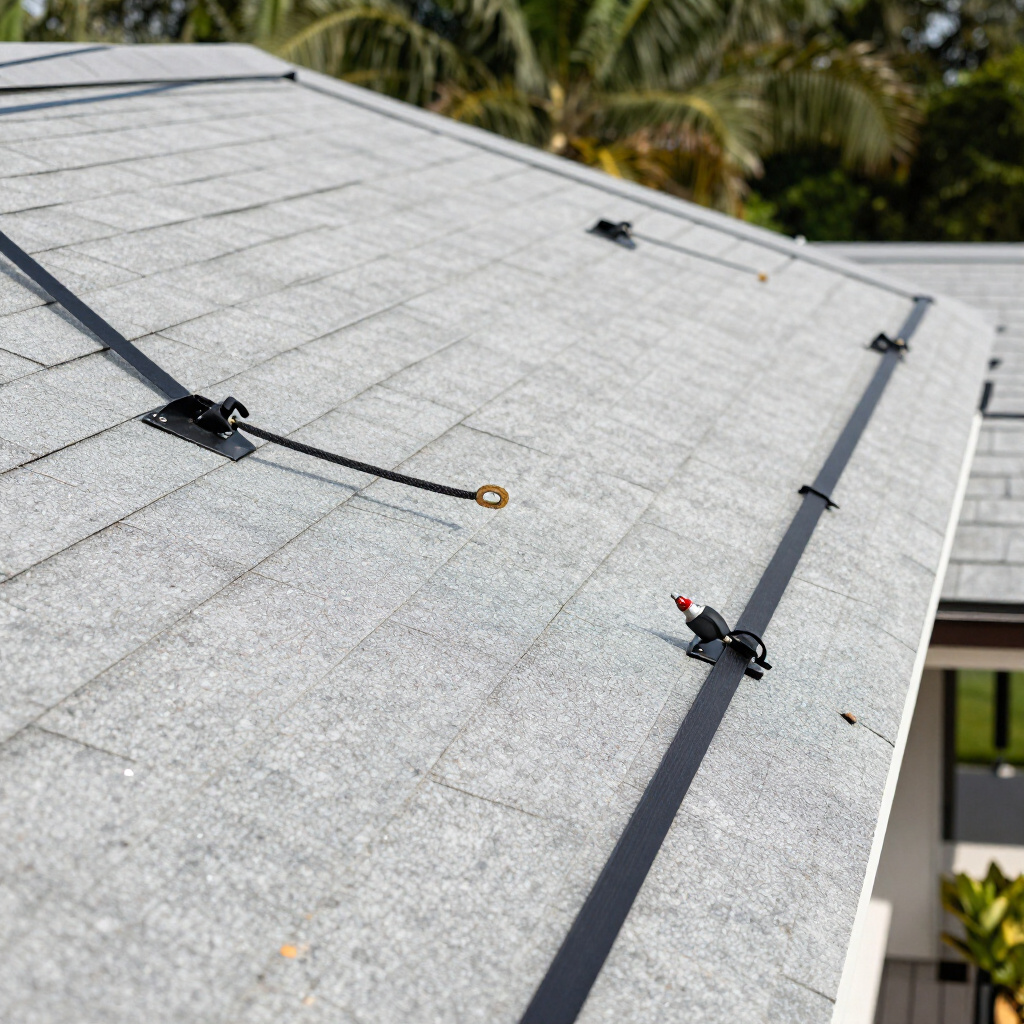
- Hurricane straps and clips (for applicable roof types)
- Edge metal security
This is especially important for roof inspection Broward County properties, where wind resistance can mean the difference between minor repairs and catastrophic damage during hurricane season.
Penetrations and Accessories
Every hole in your roof is a potential leak point. The inspector examines:
- Vent pipes and their boots
- Exhaust fan vents
- Satellite dishes or antenna mounts
- Solar panel attachments (increasingly common in 2026)
- AC equipment on flat roofs
The Documentation You Should Receive
A professional roof inspection Florida homeowners can rely on doesn’t end when the inspector climbs down. You should receive:
Photographic Evidence
Expect detailed photos of any issues found, plus overview shots showing the roof’s general condition. This documentation is invaluable for insurance claims, real estate transactions, or simply understanding what the inspector is describing.
Written Report
A comprehensive written report should include:
- Overall roof condition assessment
- Specific issues identified with locations
- Estimated remaining lifespan
- Recommended repairs prioritized by urgency
- Preventive maintenance suggestions
- Estimated costs for repairs (not just replacement)
Honest Recommendations
Here’s where integrity matters most. A trustworthy contractor will tell you if your roof needs replacement—but they’ll also tell you when it doesn’t. Sometimes a $800 repair can buy you five more years. Sometimes improving ventilation and addressing a few trouble spots is smarter than replacing a roof that still has life left.
We’ve seen too many homeowners told they need complete replacements when targeted repairs would suffice. After 70 years in this business, we can tell you that honest advice builds longer-lasting relationships than pushing unnecessary services.
Red Flags During an Inspection
Watch out for these warning signs that you might not be getting a legitimate inspection:
- The “inspection” takes less than 20 minutes
- The inspector never enters your attic
- They don’t take photos or measurements
- They push for immediate decisions or same-day contracts
- They offer to “handle your insurance claim” before assessing damage
- They only discuss replacement, never repair options
- They can’t explain Florida-specific concerns
- They pressure you with expiring discounts or limited-time offers
What Happens After the Inspection?
A quality contractor will schedule a follow-up meeting to review findings in detail, answer your questions, and discuss options—not pressure you into signing anything immediately. You should feel comfortable asking:
- Can we repair instead of replace?
- What’s the priority order for addressing issues?
- What happens if we wait six months or a year?
- What preventive maintenance can extend our roof’s life?
- Do you offer maintenance programs?
For many South Florida homeowners, a preventive roof maintenance program makes financial sense. Regular inspections and minor repairs catch small problems before they become expensive emergencies.
How Often Should You Schedule Inspections?
We recommend professional inspections:
- Annually before hurricane season (May)
- After any major storm
- Before buying or selling a property
- If you notice any signs of problems
- When your roof reaches 10-12 years old
Think of it like maintaining your car—regular check-ups cost far less than major repairs caused by neglect.
Your Next Steps
Now that you know what a thorough inspection involves, you’re equipped to evaluate the contractors you invite to your property. Don’t settle for a quick look and a hard sell. You deserve a comprehensive evaluation and honest guidance about your options.
If you’re ready for a no-pressure, genuinely thorough inspection of your South Florida roof, we’d be honored to help. Our family has been serving Broward County homeowners since the 1950s, and we’ll still be here when your roof needs attention again in 15 years. We’ll assess your roof honestly, explain what we find clearly, present all your options—including repairs and maintenance—and let you make the decision that’s right for your situation and budget.
Because that’s what seven decades of experience has taught us: the best customer is an informed customer who trusts you to tell the truth, even when that truth is “you don’t need to spend money yet.” That approach has kept us in business through generations, and it’s the only way we know how to work.
Contact us today to schedule your comprehensive roof inspection. No gimmicks, no pressure—just honest expertise you can count on.