
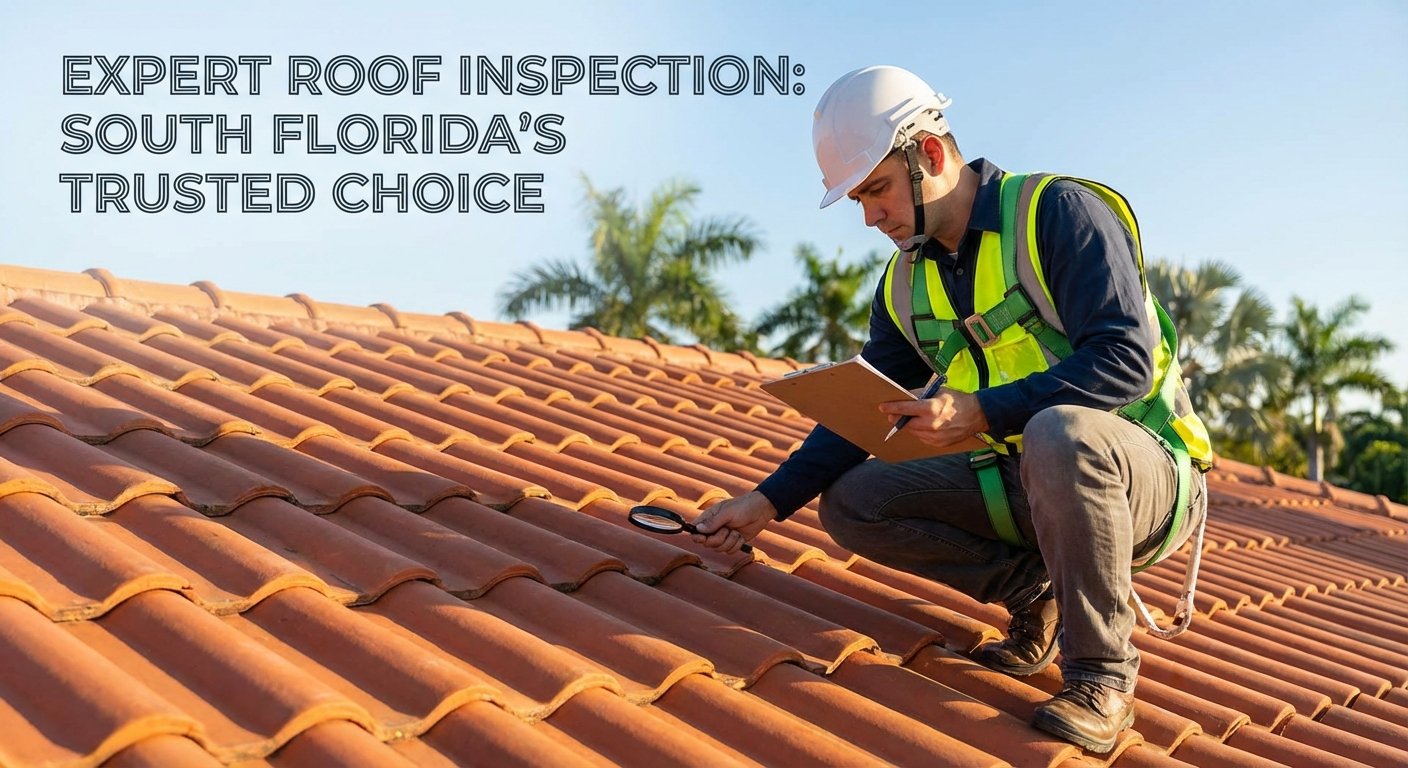
You’ve scheduled a roof inspection, and now you’re wondering what exactly the inspector will be doing up there. Will they just glance around and hand you a bill? Will they find problems you don’t really have? After decades of inspecting roofs across South Florida, I can tell you that a legitimate professional roof inspection is a thorough, systematic process that gives you a clear picture of your roof’s actual condition—not a sales pitch disguised as an inspection.
Understanding what happens during a roof inspection Florida homeowners trust helps you know what to expect, what questions to ask, and how to recognize when you’re getting an honest assessment versus a high-pressure sales tactic. Let’s walk through the entire process step-by-step.
The Pre-Inspection Conversation

Before anyone climbs onto your roof, a professional inspector should talk with you about what prompted the inspection. Are you seeing leaks? Preparing for hurricane season? Getting ready to sell your home? Following up on insurance requirements?
This conversation matters because it helps the inspector focus on specific concerns while still conducting a comprehensive evaluation. We’ve found that homeowners often notice subtle warning signs—a water stain that appeared after the last storm, a few shingles in the yard, or higher cooling bills—that point inspectors toward problem areas.
The inspector should also explain their process, how long it will take (typically 45 minutes to 90 minutes for a thorough residential inspection), and what you’ll receive afterward. Any reputable florida roofing contractor will provide a detailed written report, not just verbal observations.
Exterior Roof Surface Inspection

The most critical part of any roof inspection happens on the roof itself. Professional inspectors examine every accessible area, looking at the roof systematically rather than randomly.
Roofing Material Assessment
Inspectors evaluate the condition of your roofing material—whether that’s asphalt shingles, tile, metal, or flat roofing systems. They’re checking for:
- Missing, cracked, or damaged shingles or tiles
- Granule loss on asphalt shingles (especially important in Florida’s intense UV exposure)
- Blistering or bubbling in flat roof membranes
- Rust or corrosion on metal roofs
- Signs of wind damage from previous storms
- Proper installation and secure attachment
In South Florida, we pay particular attention to wind damage and UV deterioration. The combination of intense sun, salt air near coastal areas, and hurricane-force winds creates unique challenges that accelerate normal wear and tear.
Flashing and Penetration Points
Most roof leaks don’t start with the main roofing surface—they originate at vulnerable transition points. Professional inspectors spend significant time examining:
- Chimney flashing and seals
- Vent pipe boots and collars
- Skylights and their surrounding seals
- Roof-to-wall transitions
- Valley flashing where roof planes meet
- HVAC equipment mounting and seals
These penetration points require proper flashing installation and maintenance. We’ve responded to countless emergency calls where the roof itself was fine, but deteriorated flashing allowed water intrusion during heavy rains.
Drainage and Ponding Water
Florida’s frequent afternoon downpours make proper drainage essential. Inspectors look for areas where water pools or drains slowly, which can indicate structural sagging, inadequate slope, or clogged drainage paths.
Standing water accelerates roof deterioration and eventually leads to leaks. On flat commercial roofs especially, drainage evaluation is critical for preventing premature failure.
Gutters, Downspouts, and Edge Details
The roof’s perimeter receives intense scrutiny during professional inspections. Inspectors examine:
- Gutter condition, secure attachment, and proper slope
- Downspouts and their drainage away from the foundation
- Fascia boards for rot or pest damage
- Soffit condition and ventilation openings
- Drip edge installation and condition
- Debris accumulation that could block drainage
Clogged or damaged gutters don’t just cause roof problems—they can lead to foundation issues, landscape erosion, and pest infestations. Regular preventive roof maintenance includes keeping these systems clear and functional.
Attic and Interior Inspection
What happens inside your home reveals as much about roof condition as the exterior inspection. Professional inspectors always examine the attic space when accessible.
Signs of Water Intrusion
From inside the attic, inspectors look for water stains, active leaks, mold growth, or moisture damage to decking and framing. They’ll trace stain patterns to identify likely entry points, though water often travels along rafters before dripping into visible locations.
In Florida’s humid climate, distinguishing between roof leaks and condensation issues requires experience. Both cause moisture damage, but they require different solutions.
Ventilation Assessment
Proper attic ventilation is crucial in Florida’s heat. Inspectors evaluate:
- Intake ventilation at soffits or eaves
- Exhaust ventilation at ridge vents, gable vents, or roof vents
- Balanced airflow between intake and exhaust
- Signs of inadequate ventilation like excessive heat or moisture
Inadequate ventilation shortens roof lifespan, increases cooling costs, and can void manufacturer warranties. It’s a common issue we address during roof maintenance broward county inspections.
Structural Evaluation
Inspectors look at roof decking, rafters, and trusses for signs of:
- Sagging or structural compromise
- Wood rot or deterioration
- Pest damage (termites are particularly concerning in South Florida)
- Proper bracing and connections
- Previous repair quality
Structural issues require immediate attention and dramatically affect repair versus replacement decisions.
Documentation and Reporting
A professional inspection isn’t complete without comprehensive documentation. Reputable contractors provide:
- Detailed written reports describing findings
- Photographs of problem areas and overall conditions
- Specific recommendations prioritized by urgency
- Estimated remaining lifespan
- Repair options with approximate costs
- Maintenance recommendations
This documentation serves multiple purposes. It helps you make informed decisions, provides records for insurance purposes, and establishes baseline conditions for tracking deterioration over time.
We always provide clear explanations of what needs immediate attention versus what can be monitored. Not every issue requires urgent action, and honest contractors won’t tell you otherwise. Sometimes the best recommendation is continued monitoring with a follow-up inspection in six months or a year.
Post-Inspection Discussion
After completing the physical inspection, professional contractors sit down with you to review findings. This conversation should be educational, not a sales pitch.
Expect to discuss:
- Current roof condition and specific concerns
- Repair options and their expected longevity
- Maintenance steps that can extend roof life
- Whether repair or replacement makes more financial sense
- Timeline recommendations for addressing issues
- Cost estimates for recommended work
A trustworthy contractor presents repair options even when replacement might be more profitable. Sometimes a few hundred dollars in targeted repairs buys you several more years, which might align better with your budget or timeline. Delaying necessary roof maintenance does increase costs over time, but rushing into unnecessary replacement doesn’t serve homeowners well either.
Special Considerations for Florida Roof Inspections
Florida’s unique climate and regulations add specific elements to professional roof inspections here.
Hurricane Preparedness
Inspectors evaluate your roof’s ability to withstand high winds, checking for proper attachment, adequate fastening, and compliance with current wind resistance standards. Many older roofs were installed before stronger building codes took effect after Hurricane Andrew.
Insurance Requirements
Florida insurance companies increasingly require roof inspections, especially for older roofs. Professional inspections document roof condition and remaining lifespan, which directly affects insurability and premiums. We provide reports that meet insurance company requirements, though we never inflate damage claims or recommend unnecessary work.
Building Code Compliance
When repairs exceed certain thresholds, current building codes may require upgrades even to portions of the roof not being replaced. Experienced inspectors help you understand these requirements upfront, avoiding surprise costs later.
Frequently Asked Questions
Are roof inspections required in Florida?
Roof inspections aren’t universally required by law for existing homes, but many situations mandate them. Insurance companies commonly require inspections for roofs over 15 years old as a condition of coverage or renewal. When selling a home, many buyers request inspections, and some purchase agreements require them. Additionally, after major storms, inspections help document damage for insurance claims. While not legally mandatory for all homeowners, regular inspections are strongly recommended for maintaining your roof and catching problems early.
Is a roof inspection worth it?
Absolutely. Professional roof inspections typically cost $200-400 but can save thousands by catching small problems before they become major issues. A minor flashing repair might cost $300, while the water damage from an undetected leak could require $5,000+ in repairs to ceilings, insulation, and decking. Inspections also provide documentation for insurance purposes, help you budget for future needs, and give peace of mind about your roof’s condition. For the cost of a few hundred dollars, you gain valuable information that protects your largest investment.
What is the new law in Florida about roofs?
Recent Florida legislation has focused on roof age and insurance requirements rather than inspection mandates. Some insurance companies now limit coverage for roofs over 15 years old or require inspections showing good condition. Additionally, after Hurricane Ian, discussions continue about strengthening building codes and retrofit requirements. Local jurisdictions may have specific requirements about re-roofing permits and code compliance. The regulatory environment evolves regularly, so working with licensed Florida contractors (like our State license #CCC-11043) ensures compliance with current requirements.
Can a roof inspection help with insurance claims?
Yes, professional roof inspections provide crucial documentation for insurance claims. After storm damage, inspections document what damage occurred versus pre-existing conditions. Detailed reports with photographs support your claim and help ensure fair settlements. Inspections also establish baseline conditions before storms, which can be valuable if disputes arise about damage timing. However, reputable contractors never inflate damage or recommend filing questionable claims—insurance fraud hurts everyone through higher premiums and legal consequences.
What to Do After Your Inspection
Once you receive your inspection report, take time to review it carefully. Ask questions about anything unclear. If repairs are recommended, get specific timelines about urgency—what needs immediate attention versus what can wait.
For significant findings, consider getting a second opinion. Reputable contractors aren’t offended by this; we encourage informed decision-making. However, distinguish between companies that provide thorough inspections and those offering “free inspections” that are really sales calls.
Schedule recommended maintenance or repairs promptly. Small problems rarely improve on their own, and Florida’s weather accelerates deterioration. Even if full replacement is eventually needed, targeted repairs often buy valuable time to budget properly.
Keep your inspection reports on file. They document your roof’s history and help track changes over time, which is valuable for future decisions and insurance purposes.
Get a Thorough, Honest Assessment
Understanding what happens during a professional roof inspection helps you recognize quality service and honest recommendations. You deserve a thorough evaluation that gives you real information, not a predetermined sales pitch.
At Morton Roofing, our inspections follow this comprehensive process every time. We document everything, explain what we find in plain language, and present all your options—including repairs that might cost us less profit but serve you better. That’s how we’ve built relationships across South Florida for over 70 years.
If your roof needs inspection or if you want a second opinion on recommendations you’ve received, contact us for a thorough evaluation. We’ll tell you exactly what we find and what it means for your home, your budget, and your timeline. Sometimes that means recommending repairs; sometimes it means replacement; and sometimes it means your roof is fine and just needs regular maintenance. Whatever the situation, you’ll get straightforward guidance you can trust.